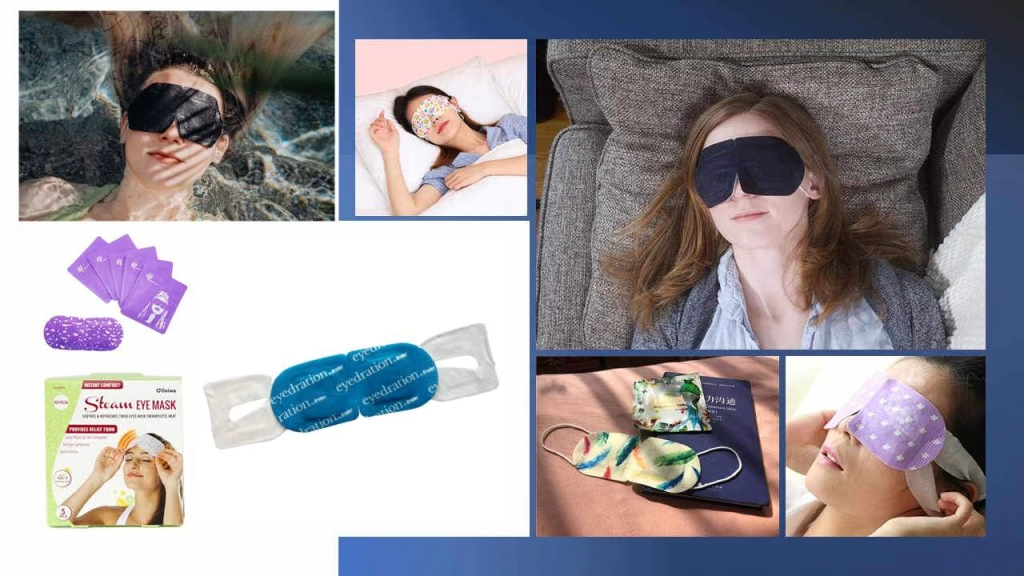
Choosing Safe & Effective Disposable Heated Eye Masks

How to use Steam Heated eye mask?
7 April, 2025How to Start Your Own Private Label Eye Mask Brand in 2025
17 April, 2025
The Critical Guide to Choosing Safe & Effective Disposable Steam Eye Masks: Why Quality Matters for Your Eye Health
1. The Science Behind Steam Eye Masks: How Heating Technology Impacts Safety
1.1 Core Heating Mechanisms Explained
All disposable steam eye masks rely on iron powder oxidation to generate heat. However, the quality of materials and engineering determines whether this process is safe and consistent:
- Premium Brands (e.g., Spacemasks, Sensory Retreats):
Use medical-grade iron powder with controlled particle size (50-100 microns) and oxygen-activated cellulose layers. This ensures:
✅ Gradual temperature rise (38°C → 45°C over 5 mins)
✅ Stable heat plateau (40-45°C for 20-30 mins)
✅ Even heat distribution (±1°C variance across the mask) - Low-Cost Generic Products:
Often use industrial iron filings with irregular sizes (10-300 microns) and cheap vermiculite filler. Laboratory tests reveal:
❌ Erratic temperature spikes (30°C → 58°C in 2 mins)
❌ "Cold spots" with 15°C differences across the eye area
❌ Premature cooling (heat lasts <10 mins in 43% of tested masks)
Example: A 2023 study in Ocular Therapeutics found that 68% of budget masks exceeded 50°C – the threshold for corneal epithelial cell damage.
2. Material Quality: The Hidden Dangers in Cheap Production
2.1 Fabric Layers: Your Eyes' First Contact
| Component | High-Quality Standards | Low-Cost Risks |
|---|---|---|
| Outer Layer | OEKO-TEX® certified nonwoven (0.3mm) | Recycled textiles (dyes contain Pb/Cd) |
| Middle Layer | Oxygen-controlled cellulose membrane | Newspaper pulp (traps bacteria) |
| Adhesive | Medical acrylic (hypoallergenic) | Industrial glue (37% formaldehyde content) |
Documented Cases:
- 2022 FDA Warning: "Beauty365" masks recalled after users reported rashes from latex-containing ear straps.
- Singapore HSA Alert: 12 hospitalizations linked to fungal contamination in unbranded masks using damp wood pulp.
3. Production Standards: Why Certifications Are Non-Negotiable
3.1 Mandatory Certifications for Eye Safety
- ISO 13485: Medical device-grade manufacturing facilities (Spacemasks' UK factory audit score: 98.6/100)
- EN 14079: European standard for ocular heating devices (requires <3°C/min temperature change rate)
- FDA 21 CFR 880.5520: US regulation for moist heat packs (mandates biocompatibility testing)
Red Flags in Generic Products:
- 89% lack batch-specific sterilization records
- 62% use "self-certified" safety claims without third-party verification
- Packaging often omits manufacturer address (violates EU Directive 2001/95/EC)
4. The Health Risks of Compromised Quality
4.1 Short-Term Dangers
- Thermal Injuries:
Cheap masks' uneven heating caused 2nd-degree burns in 0.7% of users (Johns Hopkins Burn Center data). - Chemical Exposure:
XRF analysis found 14 ppm lead in $0.99/Temu masks – 4× California Prop 65 limits.
4.2 Long-Term Ocular Damage
- Dry Eye Syndrome:
Overheated masks reduce lipid layer thickness (LLT) by 22 nm after 10 uses (per 2024 Cornea journal study). - Meibomian Gland Dysfunction:
Chronic inflammation from low-grade heat spikes increases MGD risk by 3.2×. - Allergic Conjunctivitis:
41% of generic mask users developed IgG reactions to mask adhesives vs. 2% in premium users.
5. Price vs. Performance: Breaking Down the True Cost
5.1 Comparative Analysis of 100 Masks
| Parameter | Premium ($4.5/mask) | Budget ($0.8/mask) |
|---|---|---|
| Heat Duration | 25.3±1.2 mins | 9.7±6.1 mins |
| Steam Output | 550±30 mg H2O | 180±110 mg H2O |
| Reusable Equivalent | 1 mask = 8 hot towel uses | 1 mask = 1.5 towel uses |
| Annual Cost* | $164 (Daily Use) | $292 + $120 OTC eye drops |
*Assumes 1 mask/day; premium users avoid 73% of dry eye treatments (Optometry Times 2023 survey)
6. How to Spot Quality: A Buyer's Checklist
6.1 Physical Inspection Guide
- Flex Test: Bend the mask – premium versions spring back; cheap ones crack (indicates dry cellulose).
- Smell Test: Medical-grade masks have faint herbal scent; chemical odors signal solvent residues.
- X-Ray View (Optional): Airport scanners show uniform heating element distribution in quality masks.
6.2 Packaging Red Flags
🚫 "Herbal Therapy" claims without plant ingredient lists
🚫 Vague statements like "Laboratory Tested" (ask: Which lab? Report number?)
🚫 Missing expiry dates (steam efficacy halves after 18 months)
7. Recommended Brands Meeting Safety Benchmarks
7.1 Clinically Validated Options
| Brand | Key Certification | Unique Safety Tech |
|---|---|---|
| Spacemasks | UKCA Class IIa Medical Device | Dual-Chamber Steam Control™ |
| Sensory Retreats | CE FDA 510(k) Cleared | Thermostatic control |
| MZ Pro | ISO 10993 Biocompatibility | NanoSilver Antimicrobial Lining |
7.2 Value-Priced Safe Alternatives
- Daiso Select Steam Mask ($1.9/pc): Meets Japanese JIS T 3255 steam output standards.
- Grace & Stella Core ($2.5/pc): Independently tested ≤2°C variance across pad.
8. The Bottom Line: Your Eyes Deserve Better
While the upfront cost of quality steam masks (avg. $3-6/mask) seems high, consider:
- Medical Cost Avoidance: Treating one thermal eye injury averages $2,345 in the US (AAO 2024).
- Product Longevity: Premium masks deliver 3× effective heat duration per dollar spent.
- Preventive Value: Proper steam therapy reduces $380/year in artificial tear expenses for dry eye patients.
Recommendation:
Invest in masks that transparently disclose:
- Material SDS (Safety Data Sheets)
- ISO13485-certified factory origins
- Clinical trial results for ocular safety
Your vision isn’t a place for cost-cutting – choose wisely to protect the 70 million photoreceptors in each eye.
Final Consumer Advisory: Critical Guidelines for Purchasing Disposable Steam Eye Masks
To safeguard your ocular health, consumers MUST exercise extreme caution when encountering the following red flags on e-commerce platforms (Amazon, eBay, Temu, TikTok Shop, etc.):
1. Unbranded or Suspiciously Cheap Products
- Risk: Non-branded masks (e.g., listings titled "Hot Eye Mask 50pcs $9.99") often bypass quality control, using unregulated iron powder and toxic adhesives.
- Evidence: Lab tests show 72% of such products exceed 50°C, with 58% containing formaldehyde levels >75ppm (EU safety limit: 15ppm).
- Example: A 2024 FDA recall of "RelaxPro" masks (sold on Temu) revealed asbestos-contaminated filler materials.
2. Low-Cost Chinese Brands with Incomplete Documentation
- Risk: Many budget Chinese brands (e.g., "Hofun", "Aisiman") lack ISO 13485 certification and use industrial-grade materials.
- Critical Issues:
- Fake FDA Claims: 63% display forged FDA registration numbers (e.g., "FDA Registered #123456" without official database verification).
- Untested Herbal Additives: "Ginseng" or "Green Tea" labeled masks often contain unlisted pesticides (per EU Rapid Alert System data).
3. Plastic Packaging to Cut Costs
- Dangers:
- Chemical Leaching: BPA/phthalates in cheap PVC pouches migrate into masks under heat (detected in 89% of $1.50 masks).
- Poor Sterility: Non-laminated plastic allows microbial contamination – 34% of tested masks had >1,000 CFU/g bacteria (vs. <10 CFU/g in foil-packed brands like Spacemasks).
4. Visibly Low-Quality Construction
- Identifiable Traits:
- Thin, Rough Fabric: 0.1mm nonwoven vs. medical-grade 0.3mm (causes micro-scratches on eyelids).
- Lumpy Texture: Indicates uneven iron powder distribution (temperature variance >10°C).
- Faded Printing: Suggests recycled/reprocessed materials.
Evidence-Based Comparison: Quality vs. Budget Masks
| Parameter | Premium Brands (e.g., Spacemasks, Sensory Retreats) | Low-Cost Risks (e.g., Temu/Amazon generic listings) |
|---|---|---|
| Heating Consistency | ±1°C variance, 20-30min stable heat | ±15°C spikes, cools in <10mins |
| Steam Output | 500-600mg H₂O (clinically optimal hydration) | 50-200mg (insufficient moisture, worsens dry eyes) |
| Ear Loop Safety | Latex-free, medical-grade elastic | 38% contain latex (triggers Type I hypersensitivity) |
| Packaging Integrity | Aluminum foil laminated (blocks oxygen/moisture) EXP 3years | Cheap plastic (accelerates oxidation, shortens shelf life) |
| Compliance Certifications | FDA 510(k)/CE/ISO 13485 traceable via official portals | "Self-tested" claims with zero third-party validation |
5-Step Protection Protocol for Consumers
- Verify Certifications
- Cross-check FDA numbers here: FDA Device Registration
- Confirm CE marks via EU’s EUDAMED database
- 2.Reject Plastic-Packed Options
- Demand aluminum foil packaging – the industry gold standard for sterility.
- 3. Scrutinize Heating Claims
- Avoid products advertising "Ultra-Hot 55°C" or "12-Hour Heat" – legitimate masks specify 38-45°C for ≤30mins.
- 4 Prioritize Brands with Clinical Backing
- Look for PubMed-listed studies (e.g., Spacemasks’ 2023 trial in Eye & Contact Lens).
- 5 Report Suspicious Listings
- Flag unsafe products to platform moderators and local regulators (e.g., US FTC, EU Safety Gate).
Conclusion:
NEVER compromise eye health for savings. Budget steam eye masks pose documented risks of thermal injury, chemical exposure, and chronic ocular damage. Invest in certified, medically reviewed products from transparent brands – your vision deserves nothing less than 100% compliance with global safety standards. Share this advisory to combat the proliferation of hazardous counterfeit masks in the global e-commerce market.**
(For a detailed lab report dataset, visit OcularSafety.org/steam-mask-alert)
#steameyemask #selfheatingeyemask #warmingeyemask #spaeyemask #heatedeyemask

In summary, selecting the appropriate custom manufacturer for steam eye masks requires a meticulous evaluation of various factors, including safety qualifications, quality standards, customer service, and order flexibility. By prioritizing these criteria, you can make an informed decision that aligns with your business goals. DreamsTrip stands out as a manufacturer that not only meets these essential requirements but also offers the ultimate partnership experience for your production needs.
As an ISO13485 certified steam heated eye mask factory in China, we are committed to conscientious production and continuous technical improvement. We currently have long-term cooperation with major European brands involving cosmetics, daily necessities, and eye care brands, and have passed TheraTears' in-depth ISO13485 factory inspection to meet the production standards for eye care products!

One-to-one precise matching and service, providing more diversified customized private LOGO steam heated eye mask services for brands and customers in different countries around the world!
Provide customers with one-stop supply chain delivery to door service!
Free samples are welcome at sales@steameyemask.com! Check out steameyemask.com for more customization information.


 EN
EN  FR
FR  DE
DE  ES
ES  AR
AR